Is Equipment Financing Practical for a Food Truck?
Yes. Equipment financing can be a practical way for food truck owners to get the equipment they need into service while keeping more cash available for the rest of the business.
Starting or expanding a food truck involves more than buying the truck itself. Generators, refrigeration, cooking equipment, ventilation, POS systems, and smallwares can quickly add to the total investment.
For a new operator, paying for everything upfront can put a significant amount of cash into equipment before the business has even served its first customer. For an established operator, a large equipment purchase can take money away from inventory, payroll, marketing, repairs, or an expansion.
Equipment leasing gives food truck owners another way to approach those purchases. Instead of paying the full equipment cost upfront, a business can use the equipment while making fixed monthly lease payments over an agreed term.
The key is knowing which equipment needs to be purchased now, what can wait, and how the payment fits into the business's expected cash flow.
Start With the Equipment Your Food Truck Needs to Operate
Not every piece of equipment has the same priority.
Some equipment is essential to opening the truck and serving customers. Other items may improve efficiency or expand the menu but can potentially be added later.
A simple way to think about the buildout is:
Must have: Equipment required to operate safely and serve the planned menu.
Should have: Equipment that improves efficiency, capacity, or consistency.
Could add later: Equipment that expands the menu or improves operations once revenue supports the investment.
Financing can be considered across each category, but the timing should match the role the equipment plays in the business.
Can I Finance a Food Truck Generator?
In many cases, yes. A generator can be an important piece of equipment to consider when financing a food truck buildout.
A food truck needs dependable power for equipment such as refrigerators, freezers, cooking equipment, lighting, ventilation, and POS systems. Without enough power, even a fully equipped truck may not be ready to operate.
For a new truck, the generator should generally be considered early in the buildout process. The right generator depends on the total electrical load of the equipment being used, so it makes sense to determine power requirements before finalizing the equipment package.
For an existing food truck, replacing an aging or undersized generator may be a higher priority than adding new equipment.
The business question is simple: Will this equipment help the truck operate reliably?
If the answer is yes, it belongs near the top of the equipment priority list.
Can I Lease Refrigeration for a Food Truck?
Refrigeration can also be a practical equipment financing consideration for food truck operators.
Depending on the menu and operation, a truck may need a reach-in refrigerator, undercounter refrigeration, prep refrigeration, freezer space, or other cold-storage equipment.
Refrigeration does more than keep ingredients cold. It can affect how much inventory a truck can carry, how often the operator needs to restock, and how efficiently the kitchen can operate.
For a new food truck, refrigeration should be planned around the menu and expected volume. A truck serving a limited menu may not need the same refrigeration capacity as one carrying a large variety of ingredients.
For an established operator, additional refrigeration may make sense when the existing setup is limiting capacity or the business is adding menu items.
Financing can allow the business to add necessary refrigeration without using all of its available cash on the purchase.
Can You Lease a Food Truck Kitchen Buildout?
Potentially, yes. Equipment leasing can be used for qualifying business equipment that is part of a food truck kitchen buildout.
The exact equipment that can be financed depends on the financing agreement and approval.
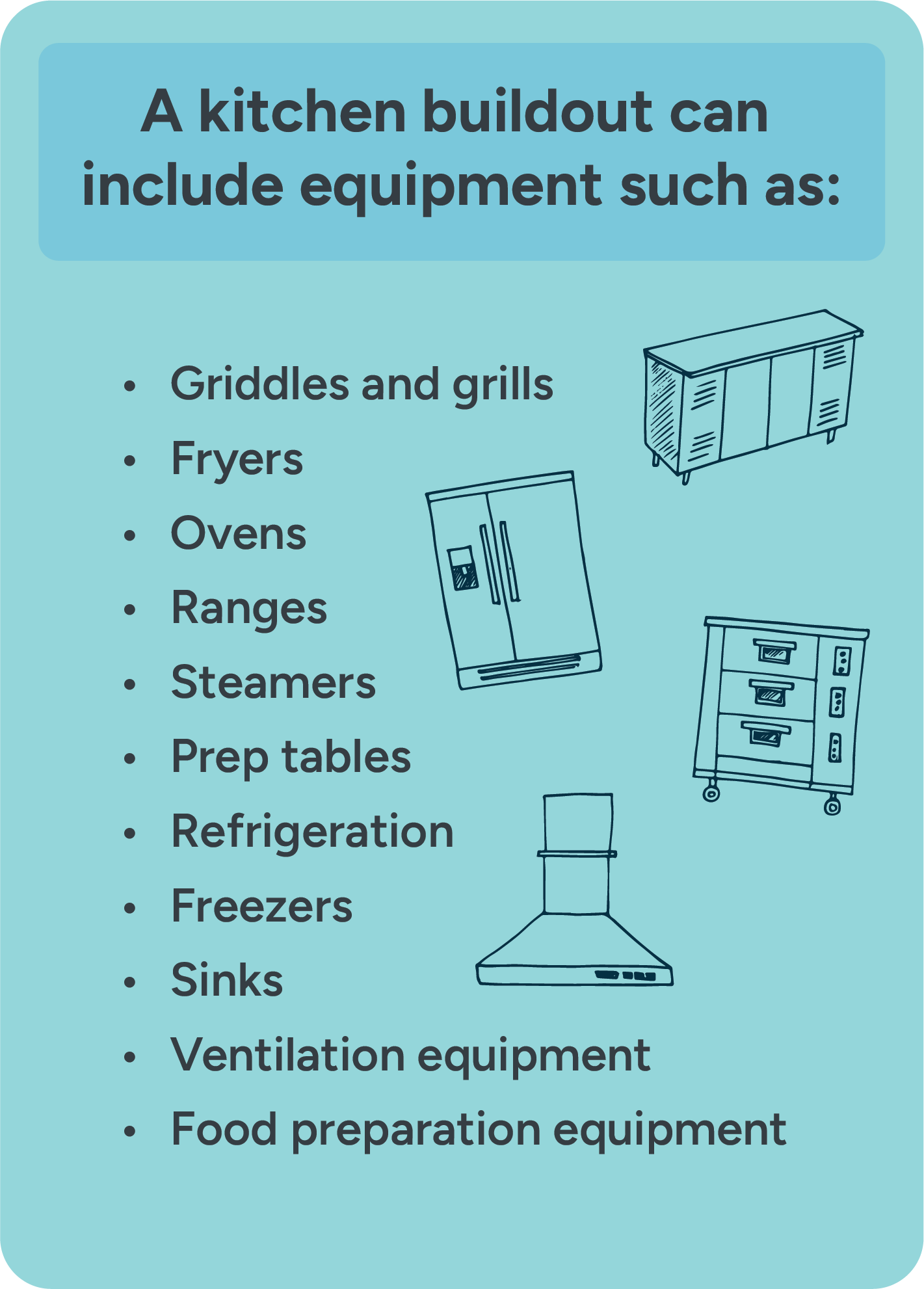
A kitchen buildout can include equipment such as:
- Griddles and grills
- Fryers
- Ovens
- Ranges
- Steamers
- Prep tables
- Refrigeration
- Freezers
- Sinks
- Ventilation equipment
- Food preparation equipment
The important consideration is whether the equipment is necessary for the business's intended operation and whether the cost fits within the owner's overall financial plan.
Rather than looking at the entire buildout as one large expense, owners can evaluate the equipment individually and determine what needs to be ready on day one.
Ventilation: An Important Part of the Buildout
Ventilation is easy to overlook when calculating the cost of a food truck.
Cooking equipment can generate heat, smoke, grease, and odors that need to be properly managed. Depending on the equipment and local requirements, the truck may need a hood system and other ventilation components.
This is not an area where cutting costs simply to lower the initial investment necessarily makes sense.
Ventilation requirements should be considered during the design and buildout process, before equipment is finalized. If the truck's cooking setup changes later, the ventilation system may need to change with it.
For that reason, ventilation belongs in the early planning stage rather than being treated as an optional upgrade.
POS and Payment Equipment
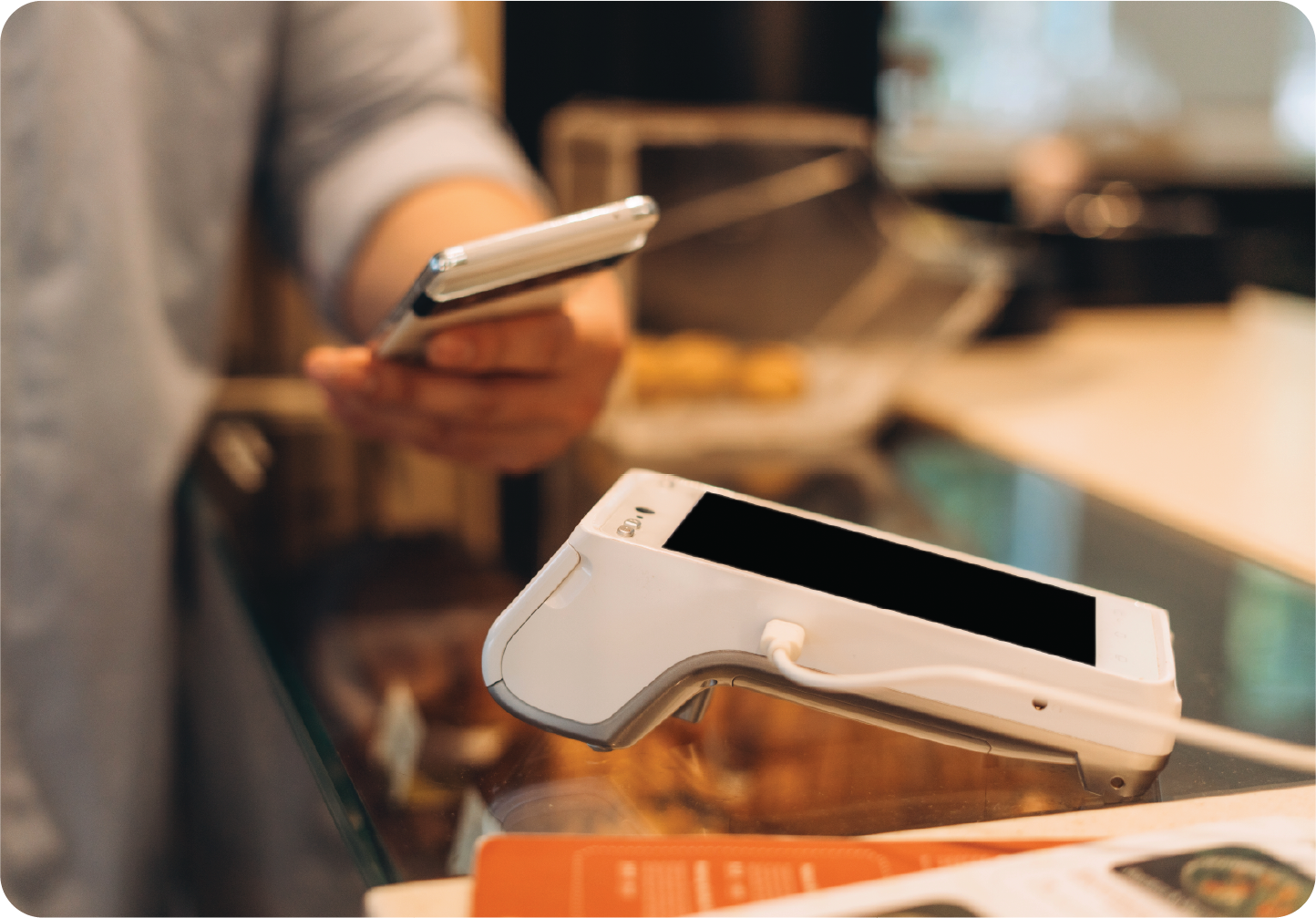
A food truck also needs a reliable way to take orders and payments.
A POS system can include a tablet or terminal, card reader, receipt printer, cash drawer, kitchen display, and other related equipment depending on the operation.
For a small truck with a simple menu, the POS setup may be relatively straightforward. A larger operation may need a more robust system.
The timing question here is different from refrigeration or a generator.
A basic POS setup may be necessary before opening, while additional technology can be added later as order volume grows.
The goal is to have enough technology to operate efficiently without spending heavily on features the business does not need yet.
Smallwares and Smaller Equipment
Smallwares can be easy to underestimate because individual items may not seem expensive.
Knives, cutting boards, storage containers, pans, utensils, thermometers, shelving, and other supplies can add up quickly when purchasing everything at once.
These items may not always make sense to finance individually. In many cases, they can be purchased using operating cash as part of the startup budget.
The bigger question is how they fit into the overall equipment plan.
If financing larger equipment allows the owner to preserve cash, that cash may then be available for the smaller purchases needed to actually get the truck ready to operate.
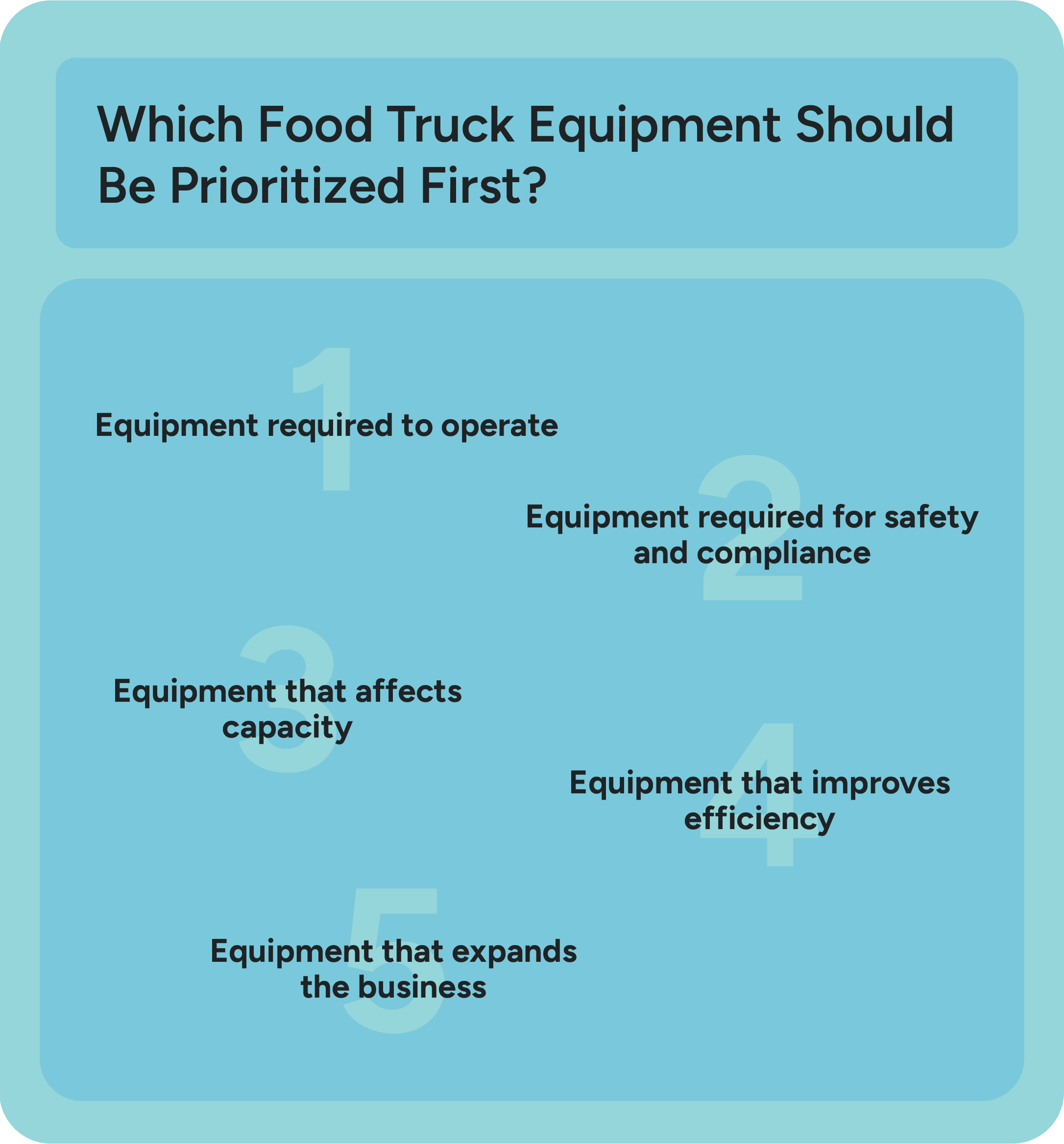
Which Food Truck Equipment Should Be Prioritized First?
A practical priority list might look like this:
1. Equipment required to operate
Start with equipment that is necessary to prepare the menu and operate the truck, including required cooking equipment, refrigeration, power, and ventilation.
2. Equipment required for safety and compliance
Consider equipment and systems needed to meet applicable health, fire, electrical, and other requirements.
3. Equipment that affects capacity
Once the basic operation is covered, look at equipment that allows the truck to serve more customers or handle higher volume.
4. Equipment that improves efficiency
Next, consider equipment that saves preparation time, reduces labor, or makes the workflow easier.
5. Equipment that expands the business
Additional equipment can come later if it allows the truck to add menu items, increase production, or support a new revenue opportunity.
This approach can help prevent a common mistake: spending heavily on equipment that sounds useful while overlooking the equipment the business actually needs to open and operate.
How Can Fixed Monthly Payments Help With Food Truck Cash Flow?
Food truck revenue can change from week to week and season to season.
A business may have strong sales during festivals, events, summer months, or busy weekends and slower periods at other times.
Fixed monthly lease payments give the owner a consistent equipment expense to account for in the budget.
For example, an owner can estimate:
Expected monthly food sales
minus
Food and inventory costs
minus
Payroll and operating expenses
minus
Equipment lease payment
to get a clearer picture of what the business may have available for other expenses and profit.
This does not guarantee that the business will generate enough revenue to cover the payment. It simply gives the owner a predictable equipment expense to include when planning cash flow.
That predictability can be particularly useful when deciding whether to add another piece of equipment.
Preserve Cash While Putting Equipment to Work
For many food truck owners, cash is needed for more than equipment.
There may be a long list of expenses before the first sale is ever made:
- Permits and licenses
- Insurance
- Initial inventory
- Commissary or kitchen costs
- Fuel
- Payroll
- Marketing
- Repairs and maintenance
- Event fees
- Working capital
Using all available cash for equipment can leave a business with less room to handle those expenses.
Clicklease provides business-purpose equipment leasing designed around equipment purchases. Qualified business owners can use fixed lease terms and fixed monthly payments to put qualifying equipment into use while preserving cash for other parts of the business.
The goal is not to finance every purchase simply because financing is available. It is to give business owners another option when paying for equipment upfront would put too much pressure on available cash.
When Does Equipment Financing Make the Most Sense?
Equipment financing may be worth considering when the equipment is directly tied to the business's ability to generate revenue.
For example, financing a generator that allows a truck to operate, refrigeration that allows the business to carry necessary inventory, or cooking equipment required to prepare the menu can be easier to justify than financing an item that will sit unused for months.
Before financing, ask:
- Does this equipment help me generate revenue?
- Do I need it now or can it wait?
- What will the equipment cost over its useful life?
- What other startup or operating expenses need to be paid?
- How much cash do I want to keep available?
- Does the expected business revenue support the monthly payment?
- What happens during slower months?
The answers will look different for a brand-new food truck than for an established truck adding a second location or expanding its menu.
What Should Food Truck Owners Consider Before Leasing Equipment?
Before signing an equipment lease, understand the agreement and the financial commitment.
Ask about:
- The fixed monthly payment
- The lease term
- Total payment obligations
- Any fees or additional costs
- Equipment covered by the agreement
- Maintenance and repair responsibilities
- What happens at the end of the lease
- Whether there is a purchase option
- What happens if the business's equipment needs change
With Clicklease, qualified business owners can review fixed lease terms and monthly payments before deciding whether the financing fits their plans. Depending on the agreement, there may also be an option to purchase the equipment at the end of the lease. The business is not obligated to purchase it.

Is Equipment Financing Practical for Your Food Truck?
For many food truck businesses, the answer can be yes.
The practicality comes down to the numbers and the equipment's role in the business.
If a generator, refrigerator, cooking system, or other piece of equipment is necessary to get the truck operating or expand its capacity, financing may provide a way to put that equipment to work while keeping more cash available for the rest of the business.
The best place to start is not with the question, "How much can I finance?"
Start with:
"What equipment does my business need to generate revenue, and how do I want to pay for it?"
From there, you can compare the equipment cost, expected use, monthly payment, and impact on cash flow to determine whether leasing makes sense for your food truck.
If financing fits the plan, Clicklease gives qualified business owners a way to explore equipment leasing with fixed terms and fixed monthly payments, so they can focus on getting the equipment they need into service.