How to Start a Lawn Care Business and Keep It Growing

Creating a new business is exciting and a lawn care business can be one of the most accessible, profitable service businesses to start. In this updated guide, we’ll walk you through everything you need to launch and grow a successful lawn care company, from startup steps and costs, to licensing, equipment, marketing, and business growth strategies.
1. Decide What Services You’ll Provide
Your first step is defining your service offerings, these shape your startup costs and customer base.
Core lawn care services often include:
- Lawn mowing, trimming, and edging
- Weed control
- Leaf blowing and debris cleanup
- Seasonal cleanup and yard maintenance
Additional services you may consider as you grow:
- Fertilization programs
- Shrub or hedge trimming
- Aeration and overseeding
- Landscaping features or mulching
Choosing a clear service focus helps you price your work and scale over time.
2. Estimate Startup Costs — What You Really Need
One of the most common questions is how much does it cost to start a lawn care business.
Startup costs vary widely, but most basic lawn care businesses launch for around $5,000–$20,000 depending on equipment and scale. A basic starter setup can be as low as $775–$2,500 if you start very small.

Typical early costs include:
- Commercial mower: $2,000–$8,000+ (used or entry-level options less)
- String trimmer, leaf blower, edger: $400–$1,000
- Safety equipment: $100+
- Trailer or vehicle transport solution: $1,500–$5,000
- Business license & insurance: $500–$2,000+
- Marketing & website: $300–$2,000
Total initial investment often falls around the range most new business owners plan for.
3. Choose Your Business Structure & Licenses
Most lawn care businesses must register legally before operating. Every location is different, but common requirements include:
Licenses you may need:
- General business license (varies by city/state, often $50–$400)
- DBA or LLC registration (optional but recommended for liability protection)
- Pesticide applicator license if you plan to use chemicals (if applicable)
- Employer Identification Number (EIN) from the IRS
In many areas, if you only offer mowing, trimming, and general maintenance, you only need a basic business license. If you apply pesticides or chemicals, additional certifications may be required.
4. Get the Right Insurance
Insurance protects you from liability and helps build trust with customers.
Common policies include:
- General liability insurance
- Commercial auto insurance if you use a vehicle for business
- Equipment insurance for tools and gear
- Workers’ compensation if you hire employees
Annual insurance costs commonly range from several hundred dollars to a few thousand, depending on coverage and location.
5. Acquire Essential Equipment
You can’t run a lawn care business without tools, and choosing the right ones makes your business look professional and operate efficiently.
Essential equipment includes:
- Lawn mower (push, self‑propelled, or commercial)
- String trimmers and edgers
- Leaf blowers
- Hand tools (rakes, shovels)
- A way to transport equipment (trailer, pickup, van)
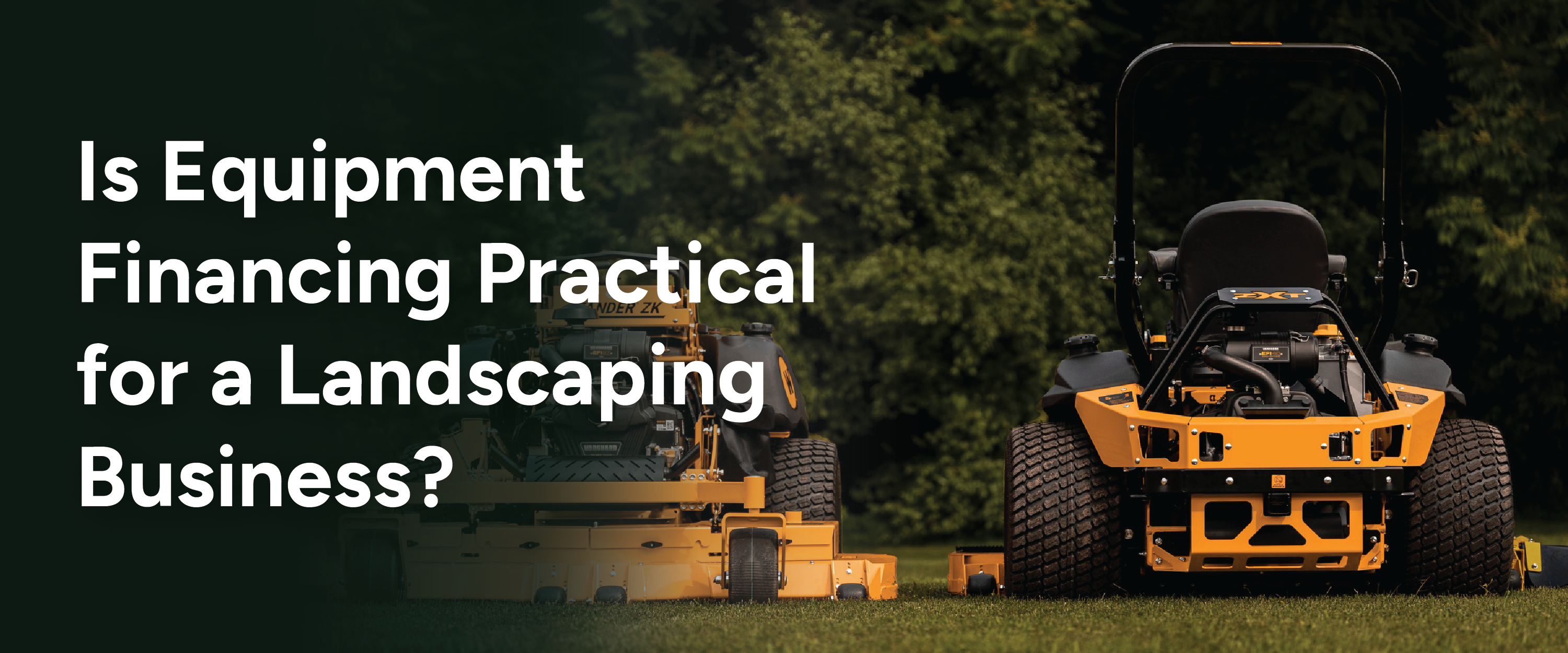
If you want to keep startup costs low or preserve cash, consider equipment financing or leasing for big-ticket items such as mowers or trailers.
6. Price Your Services Smartly
When pricing your services, research competitors in your area. Most lawn care pros charge:
- $30–$80+ per visit for basic mowing and cleanup depending on yard size and complexity.
Decide whether you’ll:
- Price by hourly rate
- Offer flat rates by yard size
- Use recurring contracts with weekly or biweekly pricing
Remember to factor in labor, fuel, insurance, and maintenance when setting prices.
7. Build Your Marketing & Sales Strategy
To keep your business growing, you need customers, and that starts with a solid marketing plan.

Ways to attract clients:
- Online presence: a simple website with services, pricing, and contact info
- Google Business Profile: helps local customers find you easily
- Social media: photos of your work build credibility
- Customer reviews & referrals: offer incentives for referrals
- Local ads: neighborhood flyers, digital ads targeting your service area
Word‑of‑mouth remains one of the strongest growth tools for lawn care businesses.
8. Get Organized & Ready to Grow
As your business starts generating clients, organization becomes vital. Consider:
- Lawn care software for scheduling, invoicing, and route planning
- Professional branding: uniforms and vehicle signs
- Standardizing estimates and contracts
A professional customer experience drives repeat business and referrals.
9. Scale Your Business With Additional Services
Once you’re established, adding services like fertilization, aeration, landscaping installation, and seasonal cleanup can significantly expand revenue. Some profitable add‑ons include:
- Yard cleanup packages
- Irrigation checks
- Fertilization and weed control
- Mulching and gardening
Growing service offerings can help you increase annual revenue and reduce seasonality.

10. Track Finances & Plan for Profit
Keep accurate records from day one. Track:
- Equipment costs and depreciation
- Fuel and maintenance
- Payroll and payroll taxes
- Customer payments and recurring contracts
Understanding your numbers helps you plan pricing and growth.
Pro Tip: Starting With Limited Cash?
If you’re wondering how to start a lawn care business with no money, consider:
- Beginning part‑time while keeping your day job
- Using personal tools before upgrading
- Financing or leasing equipment rather than paying all upfront
Many owners start small and invest earnings back into better equipment and marketing.
Final Takeaway
Starting a lawn care business and keeping it growing is achievable with the right plan, from legal setup and equipment to marketing and pricing. Following these steps will help you launch confidently and build a business that thrives.